“There are wild places, and then there is everywhere else.”
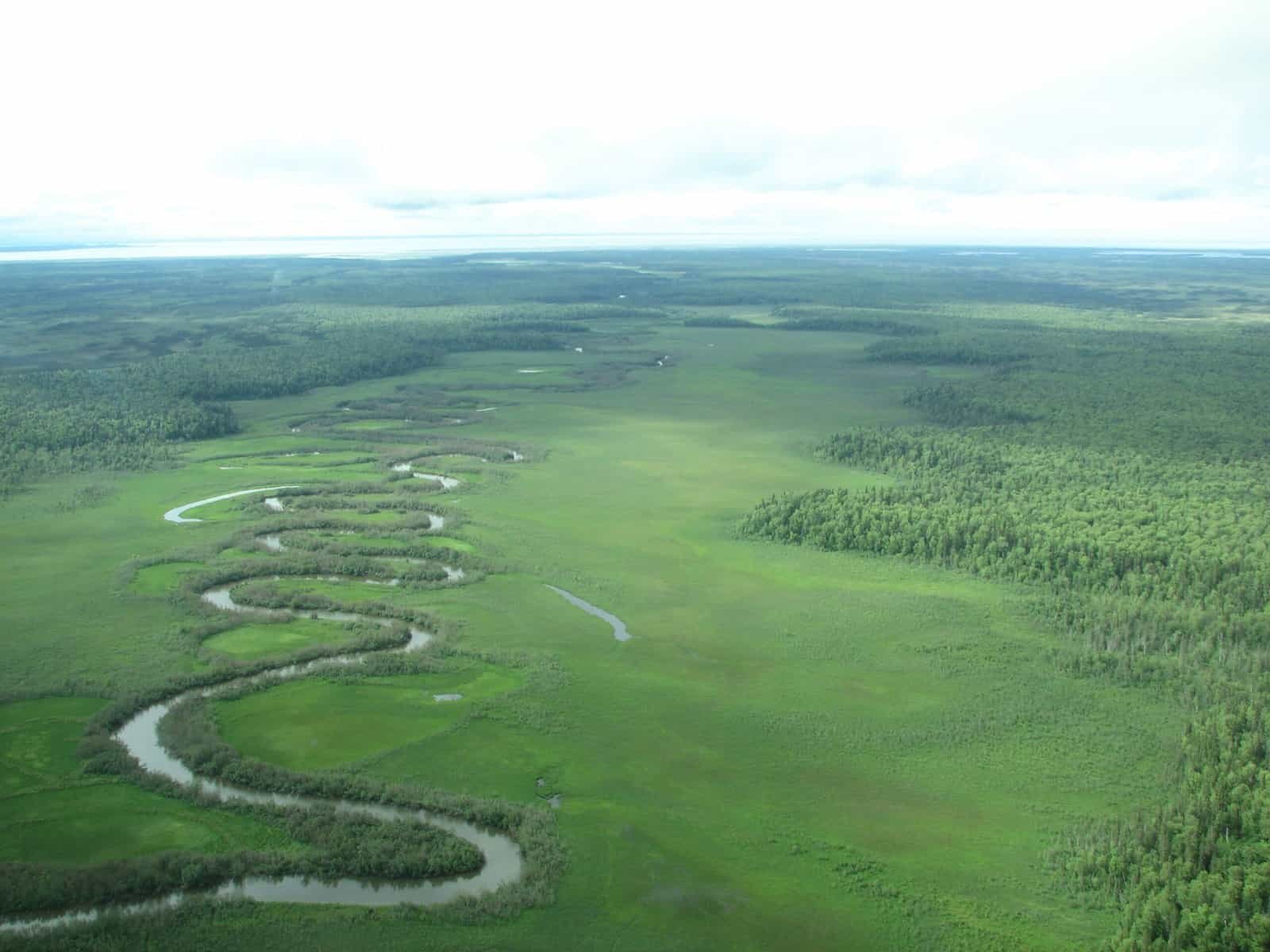
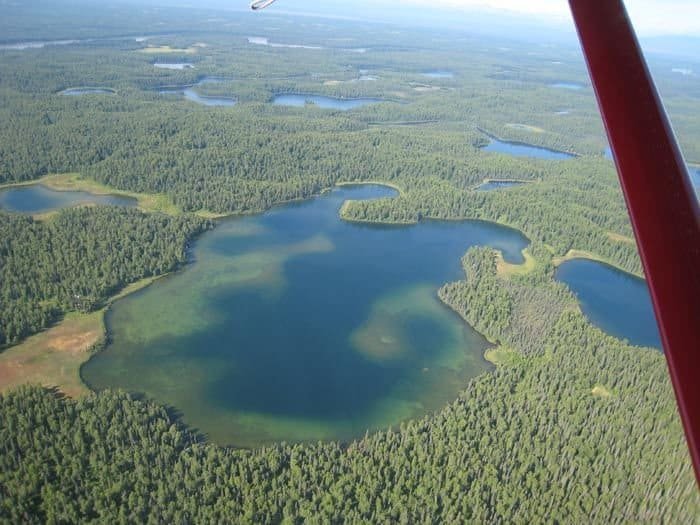
For those fortunate enough to live in Alaska or visit its vast wilderness, it can be easy to take these extraordinary landscapes for granted. Yet Alaska remains one of the last places on Earth where immense tracts of true wilderness still exist largely untouched.
Protecting these places is not simply an environmental issue—it is a commitment to future generations. Healthy ecosystems support biodiversity, clean water, thriving fisheries, abundant wildlife, and ultimately the well-being of people. As wilderness areas become fragmented by development, the balance between nature and human activity becomes increasingly difficult to maintain.
Across the globe, the loss of natural landscapes has contributed to challenges ranging from declining wildlife populations to climate-related impacts and ecosystem instability. Alaska still has an opportunity to choose a different path.
Alaska is renowned worldwide for its pristine rivers, wild salmon runs, expansive wetlands, towering mountains, and remote backcountry. These resources are not only part of Alaska’s identity—they are also a major driver of the state’s economy.
Visitors travel from around the world to experience authentic Alaska wilderness, whether through fishing, wildlife viewing, hiking, hunting, photography, or simply finding solitude in nature. The state’s natural beauty fuels a thriving tourism industry and supports countless local businesses and communities.
But Alaska’s appeal depends on remaining wild.
Once roads, industrial infrastructure, and large-scale development permanently alter a landscape, the qualities that made it unique can never be fully restored. Preserving Alaska’s wilderness is not about preventing progress; it is about carefully considering what makes Alaska special before it is lost.
Alaska contains some of America’s last large, connected wilderness ecosystems. These landscapes support:
Many Alaskans believe there is still significant economic opportunity within already developed regions of the state. Improving existing infrastructure and communities can often provide benefits without sacrificing remote wilderness areas that can never be replaced.
The question facing Alaska is not whether economic development should occur—but where and how it should occur.
History shows that major landscape changes often begin with access.
Roads, bridges, corridors, and transportation infrastructure can open previously remote areas to additional industrial activity, resource extraction, and future development. While individual projects are often presented independently, they frequently create pathways for additional expansion over time.
Once a wilderness area becomes accessible, pressures for further development tend to increase. The result is often a gradual transformation of landscapes that were once remote, intact, and ecologically rich.
This reality makes public involvement especially important when evaluating proposals that could affect Alaska’s wild lands.
Economic uncertainty often creates momentum for large development projects. While these proposals may promise jobs and economic growth, they can also carry significant long-term environmental consequences.
Current and proposed projects throughout Alaska continue to generate public discussion regarding their impacts on:
For many conservation-minded Alaskans, the concern is not only the immediate impact of individual projects but the cumulative effect of development over decades.
Public awareness is one of the most important tools for protecting Alaska’s natural resources. Many projects undergo public review processes that allow residents and stakeholders to provide input.
Several proposals that have generated significant discussion include:
The proposed Susitna-Watana Dam would be among the largest hydroelectric projects in North America. Supporters cite renewable energy benefits, while opponents express concerns about impacts to one of Alaska’s most important salmon-producing river systems.
This proposed transportation corridor would provide access to mineral development opportunities in the western Susitna region. Conservation groups have raised concerns regarding wetlands, fish habitat, wildlife impacts, and the potential for future industrial expansion.
Cook Inlet remains one of Alaska’s most important marine ecosystems. Ongoing discussions continue regarding the balance between energy development, commercial fisheries, recreation, and habitat protection.
The Tongass National Forest in Southeast Alaska is often called “America’s Salmon Forest.” Discussions surrounding old-growth timber harvest and long-term forest management continue to shape the future of this globally significant ecosystem.
For those interested in learning more, volunteering, or staying informed, several organizations provide educational resources and conservation updates:
These groups offer opportunities to engage in discussions about fisheries, wildlife habitat, public lands, and conservation throughout Alaska.
The decisions made today will shape Alaska for generations.
Once roads, industrial corridors, and large-scale development permanently alter remote landscapes, they rarely return to their original state. Wilderness, by definition, depends upon remaining wild.
Alaska still possesses something increasingly rare in the modern world: vast, connected ecosystems where nature largely governs itself. Whether these places remain intact will depend on the choices made by residents, policymakers, businesses, and visitors alike.
If any place still has the opportunity to preserve large-scale wilderness while balancing responsible development, it is Alaska.
The question remains:
What do you value, and what kind of Alaska do you want future generations to inherit?
“The conservation of waters, forests, soils, and wildlife are all involved with the conservation of the human spirit. The goal we all strive toward is happiness, contentment, the dignity of the individual, and the good life. This goal will elude us forever if we forget the importance of the intangibles.”
— Sigurd F. Olson